You’ll see “Low GI” on many health labels these days, including ours. Here’s what it actually means — and why it matters for steady, calmer energy.
What is the Glycemic Index?
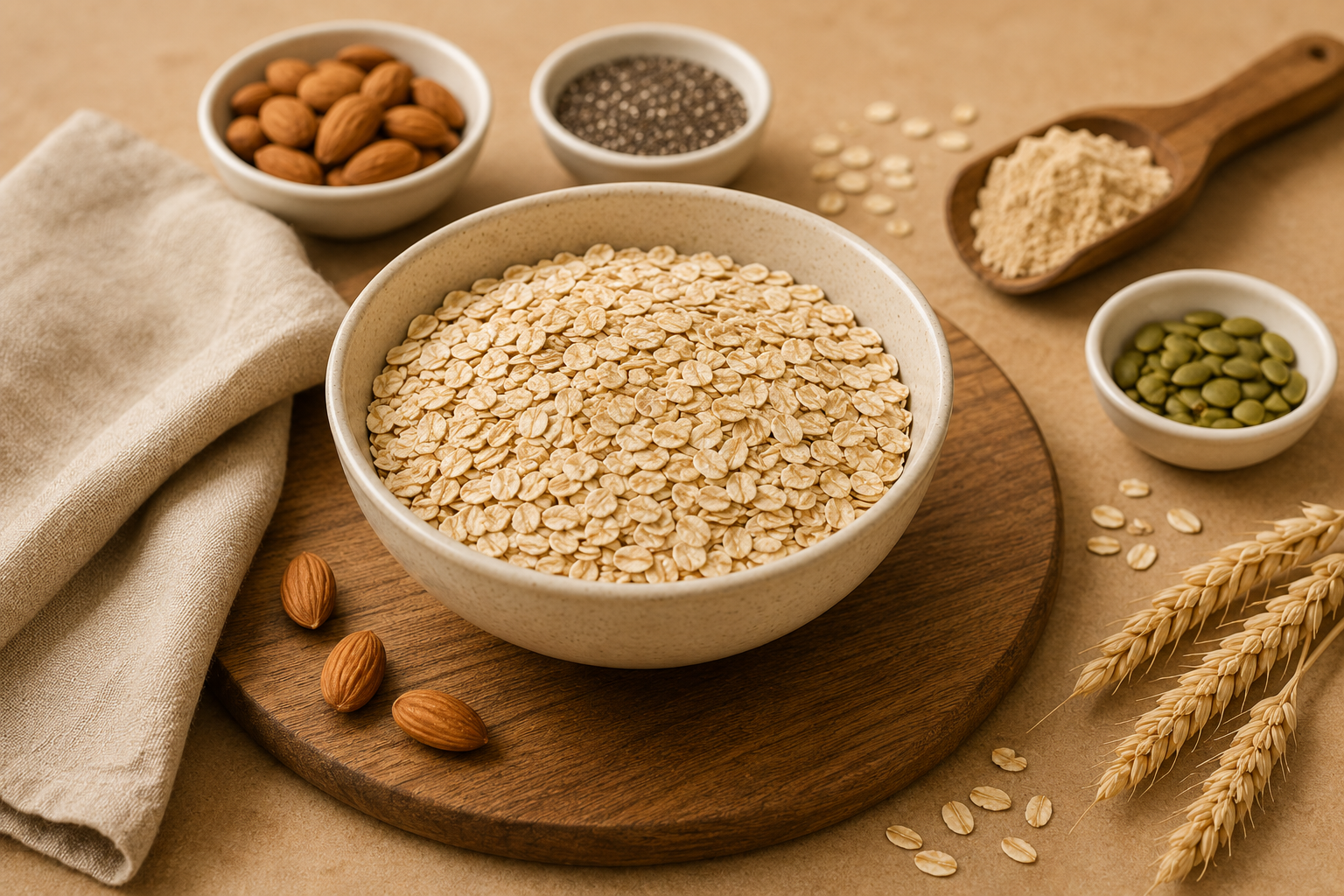
The Glycemic Index (GI) is a number from 0 to 100 that tells you how quickly a food raises your blood sugar. White bread and sugary drinks score high — they spike sugar fast. Whole oats, legumes and most vegetables score low — they release energy gradually.
Why low GI is gentler on the body
A sharp sugar spike triggers a matching insulin spike, which is often followed by a crash — the famous “sugar low” that leaves you tired, hungry and a little cranky. Low-GI foods avoid this rollercoaster. Energy stays even, focus stays steady, and you don’t reach for a snack thirty minutes later.
Low GI doesn’t mean low sugar. It means the sugar your body does absorb is released slowly and gently.
What that looks like in real life
- Better focus through the morning
- Less of an energy slump after meals
- Steadier appetite — fewer cravings between meals
- A calmer, more comfortable way to fuel an active day
How ProHope fits
ProHope is formulated as a low-GI nutritional beverage. So even though it’s a sweet, comforting drink, it doesn’t put your body through the spike-and-crash cycle. That’s especially helpful for kids before school, adults working long hours, and seniors who benefit from steady, balanced energy.
The simple takeaway
You don’t have to give up sweet foods to keep your energy steady. Choosing low-GI options like ProHope — especially for daily, repeat meals — is one of the simplest swaps with the biggest long-term payoff.